Planning a safari from Samoa is a long journey, so you want your days in Kenya to count. This big five safari guide for Samoan speakers covers each animal: where to find it, when to go, and which park gives the best chance. You will also learn the Swahili names Kenyans use, which adds understanding no generic guide gives you.
What Does a Big Five Safari Guide for Samoan Speakers Cover?
This guide walks through each animal, the parks where you are most likely to see it, and the season that gives the best odds. It also covers logistics for a long-haul traveler, from flights to packing and budgeting.
What Is the Big Five and Where Does the Name Come From?
The Big Five are the lion, leopard, African elephant, Cape buffalo, and rhino. The name is not about size. It came from colonial-era hunters who ranked these five as the hardest to hunt on foot. Today it simply means the species most visitors hope to see.
The Swahili names are worth learning before you arrive. Simba means lion, Chui is leopard, Ndovu is elephant, Nyati is buffalo, and Kifaru is rhino. Guides use these words constantly, and recognizing them makes every game drive more rewarding.
Which Park Has the Most Reliable Rhino Sightings?
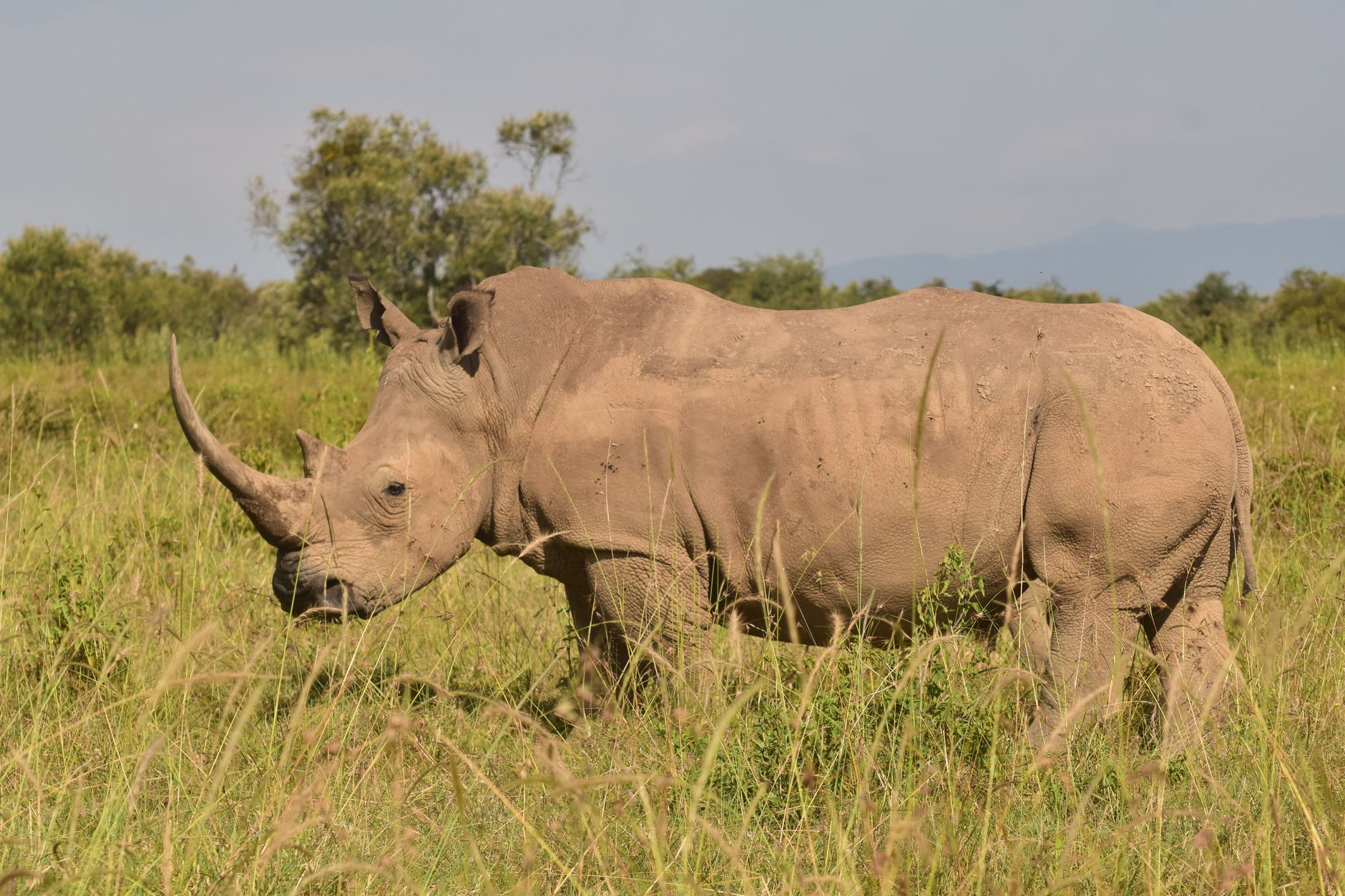
Rhino are the hardest of the Big Five to see reliably in Kenya. Black rhino are critically endangered, and white rhino, while more numerous, are still tightly protected.
Lake Nakuru and Ol Pejeta Conservancy are your best bets. Ol Pejeta, in Laikipia, holds one of the largest black rhino populations in East Africa. It is also the only place in Kenya to see the last two northern white rhino on Earth, kept under permanent guard. Lake Nakuru’s fenced rhino sanctuary keeps the animals within a manageable area, so sightings are frequent in the early morning.
Tsavo and Amboseli have rhino too, but numbers are low.
What Is the Difference Between Black and White Rhino?
This confuses many first-time visitors. The names have nothing to do with color, since both rhino in Kenya are gray.
The easiest difference is the mouth. White rhino have a wide, flat mouth for grazing grass, while black rhino have a pointed, prehensile lip for plucking leaves from bushes. Black rhino are also smaller, more solitary, and more aggressive when surprised, while white rhino are more social. At Ol Pejeta you can see both species, sometimes on the same drive.
Where Are the Best Places to See Lions in Kenya?
Lions are the easiest of the Big Five to find, but you still need a good park. The Masai Mara is the undisputed king. Its open grasslands give long sightlines, and the resident prides are used to vehicles. You often hear a dawn roar before your guide drives toward the sound. During the wildebeest migration, lion activity peaks as prey is everywhere.
Samburu National Reserve, to the north, also has strong lion populations, with a dry, rocky landscape that gives a different backdrop for photography. For a Samoan traveler with limited days, the Masai Mara should be your priority. It consistently delivers, and you can read more in our Masai Mara travel guide.
Why Are Leopards So Hard to Spot?
Leopards are the most elusive of the Big Five. They are solitary, nocturnal, and spend much of the day hidden in trees or thick bush. Your odds depend heavily on the park and the guide.
The Masai Mara has a healthy leopard population along the Talek and Mara rivers, where the riverine forest offers good cover. Early morning drives at first light give you the best chance. Samburu is also excellent, and its resident leopards along the Ewaso Ng’iro River are famously bold, sometimes lying on rocks in full view.
Lake Nakuru has leopards too, but sightings there are luck-based, and no ethical guide will guarantee one. For the best odds anywhere, spend at least two mornings in one leopard-rich area rather than hopping between parks.
How Many Days Do You Need to See All the Big Five?
This is the most common question we hear from long-haul travelers. The honest answer: about a week gives you a realistic chance, but not a guarantee.
A typical week-long itinerary combines several nights in the Masai Mara for lion, leopard, and buffalo. Add a night or two at Lake Nakuru or Ol Pejeta for rhino, and a couple of nights in Amboseli for elephants.
Two days in a single park is rarely enough, since the animals are wild and move freely. A shorter trip focused on the Mara and Ol Pejeta can still work, since Ol Pejeta has all five species. Rhino sightings there are less frequent than at Lake Nakuru. Do not try to see all five in one day, and let the park work its magic instead.
Where Can You See All the Big Five in One Park?
Only a handful of Kenyan parks have all five species resident: Ol Pejeta Conservancy, the Masai Mara, Lake Nakuru, and Meru National Park. The table below compares them directly.
Ol Pejeta is the smallest and easiest to cover, with concentrated wildlife and good roads. It also has a strong conservation story, including anti-poaching teams and a rhino breeding program. Our Ol Pejeta Conservancy guide goes into more detail on planning a visit. The Masai Mara has everything, but it is large, so a good guide with a radio network improves your odds. Meru is wilder and less visited, better suited to experienced safari-goers than to a strict checklist.
How Do the Top Big Five Parks Compare?
Every park has trade-offs. This table summarizes what to expect, using approximate ranges rather than exact counts, since wildlife numbers shift with rainfall.
| Park | Big Five Present | Rhino Odds | Best Months | Suggested Stay |
|---|---|---|---|---|
| Masai Mara | All five, rhino uncommon | Low | Year-round, peak July to October | 2 to 3 nights |
| Ol Pejeta Conservancy | All five | High | Year-round | 1 to 2 nights |
| Lake Nakuru | All five, leopard less predictable | High | Year-round | 1 to 2 nights |
| Amboseli | Elephant, lion, buffalo strong; leopard and rhino rare | Low | June to October | 1 to 2 nights |
| Meru | All five, fewer crowds | Moderate | June to October | 2 to 3 nights |
What Is the Best Time of Year to See the Big Five?
Every month has trade-offs, and the right answer depends on your priorities.
The dry season, roughly July to October, is the peak tourist season. The Masai Mara hosts the wildebeest migration, and the Big Five are easier to spot since vegetation is thin and animals gather at water sources. Prices are at their highest, and popular lodges book out months ahead.
The shorter dry spell around February is a good alternative, with quieter parks and lower prices. Visibility stays good since the grass is still short, and Big Five odds are only slightly lower than peak season.
The long rains, roughly March to May, make many roads difficult and close some camps. Plan a trip then only if your schedule is flexible. Our Kenya safari planning guide breaks down timing further.
Are the Big Five Endangered?
This is a mixed answer, and you should know the facts before you travel.
The African elephant is listed as endangered, though Kenya’s population has grown in recent decades thanks to strong anti-poaching work. You will still see many elephants in Amboseli and Tsavo. The lion and leopard are both listed as vulnerable, facing habitat loss and human-wildlife conflict more than poaching.
The Cape buffalo is the only one of the five not currently threatened. The rhino situation is most critical, since black rhino are critically endangered and white rhino are near threatened. Kenya’s rhino sanctuaries, including Ol Pejeta and Lake Nakuru, are a major reason the species still survives here.
Your safari fees fund the conservation work that protects these animals, and choosing a responsible operator makes a real difference. Our Kenya safari planning guide covers how to travel responsibly.
Is It Safe to See the Big Five on a Self-Drive Safari?
Self-drive safaris are possible in Kenya, but we do not recommend them for first-time visitors, especially those traveling a long distance from Samoa.
A 4×4 vehicle can cost as much as hiring a driver-guide, and navigation in the parks is tricky. An experienced guide also knows animal behavior, how close is safe, and where to position the vehicle. Buffalo are considered among the more dangerous animals to encounter on foot in Africa, and a startled elephant can flip a car.
If you do self-drive, stick to well-known parks like the Masai Mara and Amboseli, stay on established tracks, and never leave your vehicle.
What Photography Tips Help You Capture the Big Five?
A good photograph is about light, patience, and knowing your subject. Early morning and late afternoon give you the warm light that makes wildlife photography work, since the middle of the day is harsh.
For lions, use a telephoto lens and wait for eye contact. For leopards in trees, be ready for branches to block your view, since patience is everything here. For elephants, shoot wide to capture the landscape and the animal together. An elephant on the plains of Amboseli with Kilimanjaro behind it is an iconic image. For rhino, the texture of their skin often makes a more interesting shot than a distant full-body view.
Turn off your flash. It is banned in most parks, and natural light is always better anyway.
Which Parks Should You Prioritize for a Short Trip?
With five days or fewer, you cannot see everything. Start with the Masai Mara for two nights, your best chance at lion, leopard, and buffalo.
Then move to Lake Nakuru or Ol Pejeta for one or two nights, since both give reliable rhino sightings. Lake Nakuru is closer to the Mara, while Ol Pejeta offers a fuller conservation experience. A third stop in Amboseli adds elephants and views of Kilimanjaro, though the drive from the Mara takes most of a day. Our Masai Mara travel guide covers how a Mara-focused route compares with an Amboseli-focused one.
How Do You Plan a Big Five Safari from Samoa?
The logistics from Samoa take some thought, but the rewards are worth it. Fly from Apia to a major hub like Auckland, Sydney, or Honolulu, then on to Nairobi. Plan for two long travel days, expect jet lag, and arrive a day before your safari starts.
Pack light, but pack right. Neutral-colored clothing, a wide-brimmed hat, sunscreen, and a good pair of binoculars are essential. Mornings in the Mara can feel cool enough for a jacket. Our Kenya safari planning guide has more detail on what to pack.
The heat of Kenya’s lowlands may feel familiar. The higher altitude of the Mara can leave you short of breath at first, so take it easy on day one. Kenya is a cash economy in many places, and tipping guides and lodge staff is expected. Bring US dollars in small denominations or use the Kenyan shilling, and check exchange rates before you go.
Ready to Plan Your Big Five Safari?
Seeing all five of these animals in the wild is a privilege that fewer people may have in the decades ahead. The rhino especially are fighting for survival, and your visit supports the rangers who protect them every day.
When you are ready to plan, compare licensed safari operators who know the parks, seasons, and lodges. Browse packages from FindMySafari, or compare operators like Valley Safaris and Trunktrails Safaris to find an itinerary that fits your dates and budget.
More safari planning resources
- Masai Mara Big Five safari from SafariPure
- Ol Pejeta Conservancy guide from Trunktrails Safaris
- Ol Pejeta and Sweetwaters safari package from Valley Safaris
- Big Five safari collection on FindMySafari
Related guides: Amboseli Honeymoon Guide: What Makes This Park Work for Couples, Amboseli Safari Cost Guide: From Budget Road Trips to Luxury Fly-Ins, Why Angama Mara and Angama Amboseli Are Rotating Staff.